

Common Appliance Problems and Their Solutions
- fixexpert16
- 3 days ago
- 4 min read
Home appliances make life easier, but when they break down, they can cause real headaches. I’ve seen many common appliance problems that homeowners face, and I want to share practical solutions to help you tackle these issues confidently. Whether it’s your fridge, washing machine, oven, or dishwasher acting up, understanding the problem and knowing what to do can save you time and money.
Identifying Common Appliance Issues
Appliances often show signs before they completely fail. Recognizing these early warning signs can prevent bigger problems. Here are some typical issues you might encounter:
Fridge not cooling properly: Food spoiling faster or ice buildup inside.
Washing machine not spinning or draining: Clothes stay wet after a cycle.
Oven not heating evenly: Food cooks unevenly or takes longer.
Dishwasher leaving spots or not draining: Dishes come out dirty or water remains inside.
Microwave not heating: Food stays cold despite running the microwave.
Each of these problems has straightforward causes and solutions. Let’s explore them in detail.

Troubleshooting Refrigerator Problems
A fridge is essential for keeping food fresh, so when it stops cooling, it’s urgent to fix. Here’s what you can check:
Check the temperature settings: Sometimes, the thermostat is accidentally turned too high or low. Set it between 3°C and 5°C for the fridge and -18°C for the freezer.
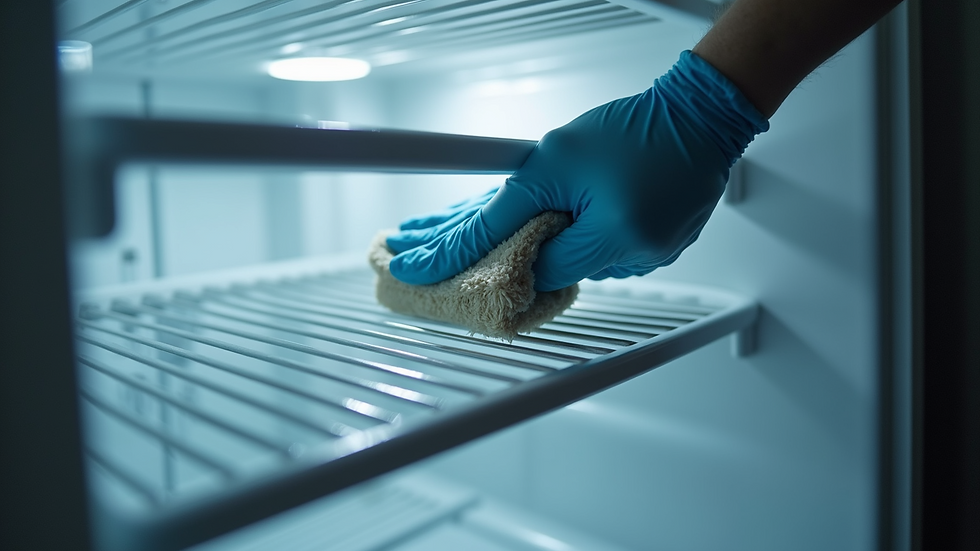
Clean the condenser coils: Dust and dirt on coils reduce cooling efficiency. Unplug the fridge and clean coils with a brush or vacuum.
Inspect door seals: Damaged or dirty seals let cold air escape. Clean seals with warm soapy water and replace if cracked.
Clear the drain hole: Blocked drains cause water buildup and frost. Use a pipe cleaner or warm water to clear it.
Listen for the compressor: If the compressor is not running or making strange noises, it may need professional repair.
If these steps don’t help, it’s wise to contact home appliance repair services to avoid further damage.
Washing Machine Won’t Spin or Drain? Here’s What to Do
A washing machine that won’t spin or drain leaves your clothes soaking wet. This is a common problem with simple fixes:
Check the lid switch: Many machines won’t spin if the lid switch is faulty. Test it by pressing the switch manually; if the machine starts, replace the switch.
Inspect the drain hose: A kinked or clogged hose blocks water flow. Straighten the hose and clear any blockages.
Clean the pump filter: Lint and debris can clog the pump filter. Locate and clean it regularly.
Balance the load: Overloading or unevenly distributed clothes prevent spinning. Try smaller, balanced loads.
Examine the drive belt: A worn or broken belt stops the drum from spinning. Replace the belt if needed.
These simple checks often restore your washing machine’s function without delay.

Oven Not Heating Evenly? Fix It Fast
An oven that cooks unevenly can ruin meals. Here’s how to troubleshoot:
Test the heating elements: Both the top and bottom elements should glow red when heating. If one is cold, it may need replacement.
Calibrate the thermostat: Use an oven thermometer to check the actual temperature. Adjust the thermostat if it’s off.
Check the oven door seal: A damaged seal lets heat escape, causing uneven cooking. Replace worn seals.
Avoid overcrowding: Too many dishes block heat circulation. Leave space for air to flow.
Use the right rack position: Different recipes require different rack levels for even cooking.
If you’re unsure about electrical parts, it’s safer to call in experts.
Dishwasher Issues and How to Solve Them
Dishwashers save time but can develop problems like dirty dishes or water not draining. Here’s what to do:
Clean the spray arms: Food particles can clog spray holes. Remove and rinse spray arms under running water.
Check the filter: A clogged filter reduces cleaning power. Clean it regularly according to the manual.
Inspect the drain hose: Make sure it’s not kinked or blocked.
Use the right detergent: Avoid using regular dish soap, which causes excessive suds.
Run a cleaning cycle: Use dishwasher cleaner monthly to remove grease and limescale.
Regular maintenance keeps your dishwasher running smoothly.
When to Call Professionals for Appliance Repairs
While many appliance problems have simple fixes, some require professional attention. If you notice:
Persistent electrical issues or sparks
Strange noises from motors or compressors
Water leaks that you cannot stop
Problems recurring after DIY fixes
It’s best to rely on trusted home appliance repair services. Professionals have the right tools and knowledge to fix issues safely and efficiently. They also offer annual maintenance plans to keep your appliances in top shape year-round.
Taking care of your appliances with timely repairs and regular maintenance saves money and extends their lifespan. Don’t wait for a small problem to become a costly replacement.
Keeping Your Appliances Running Smoothly
Preventive care is the key to avoiding common appliance issues. Here are some tips to keep your appliances working well:
Clean appliances regularly: Dust, dirt, and food residue cause wear and tear.
Follow manufacturer instructions: Use recommended detergents, settings, and maintenance schedules.
Avoid overloading: Overuse stresses motors and parts.
Check seals and hoses: Replace damaged parts promptly.
Schedule professional check-ups: Annual servicing can catch problems early.
By staying proactive, you ensure your appliances serve you reliably for years.
I hope these insights help you handle common appliance problems with confidence. Remember, a little care and timely action go a long way in keeping your home running smoothly. If you ever feel stuck, don’t hesitate to reach out to expert home appliance repair services for support. Your appliances deserve the best care!


Comments