

How to Solve Common Appliance Issues
- fixexpert16
- Nov 15
- 3 min read
When an essential appliance stops working, it can disrupt your daily routine and cause unnecessary stress. I’ve learned that many common appliance problems are easier to fix than you might think. With a little guidance and some basic tools, you can often troubleshoot and solve these issues yourself. In this post, I’ll share practical appliance repair tips that will help you get your appliances back in shape quickly and safely.
Understanding Common Appliance Problems and How to Fix Them
Appliances like refrigerators, washing machines, ovens, and dishwashers are built to last, but they do encounter issues over time. Here are some typical problems and straightforward ways to address them:
Refrigerator not cooling: This often happens due to dirty condenser coils or a faulty thermostat. Start by unplugging the fridge and cleaning the coils at the back or underneath with a vacuum or brush. If the problem persists, check the thermostat settings or consider calling a professional.
Washing machine won’t drain: A clogged drain hose or pump filter is usually the culprit. Disconnect the machine from power, then inspect and clean the drain hose and filter. Make sure the hose isn’t kinked or blocked.
Oven not heating properly: Check if the heating element is damaged or if the temperature sensor is faulty. You can visually inspect the element for breaks or burn marks. Replacing these parts is often straightforward.
Dishwasher not draining or cleaning well: Clean the filter and spray arms regularly. Food debris can block water flow, reducing cleaning efficiency. Also, check the drain hose for clogs.
These simple checks can save you time and money before calling for help.

Essential Appliance Repair Tips to Keep Your Devices Running Smoothly
Regular maintenance is key to preventing many appliance issues. Here are some tips I follow to keep my appliances in top shape:
Read the manual: It’s tempting to skip this, but the manual contains valuable information about your appliance’s care and troubleshooting.
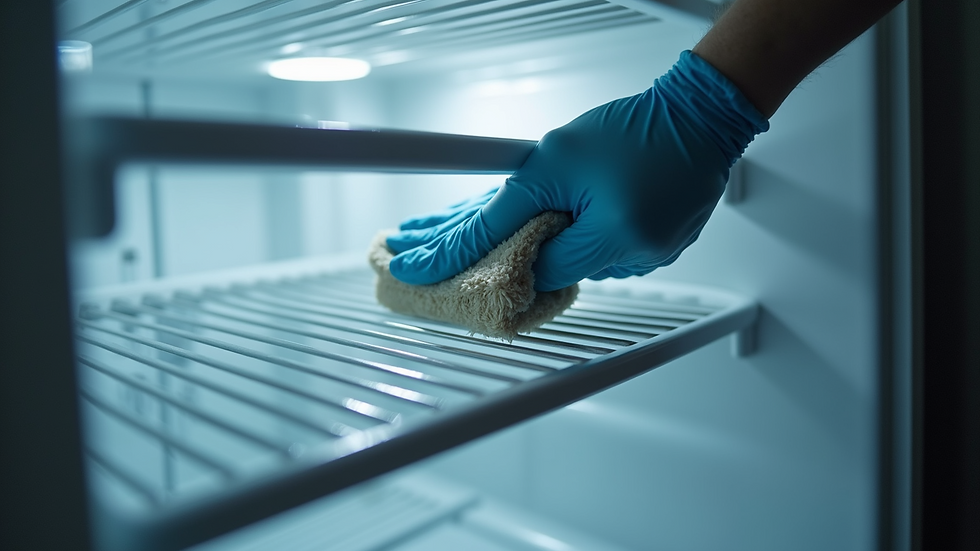
Clean regularly: Dust, dirt, and food particles can cause appliances to work harder or malfunction. Clean filters, coils, and surfaces as recommended.
Check seals and gaskets: For refrigerators and ovens, inspect door seals to ensure they close tightly. Replace any damaged seals to maintain efficiency.
Avoid overloading: Overloading washing machines or dishwashers can strain motors and reduce cleaning effectiveness.
Use appliances correctly: Follow manufacturer guidelines for detergent types, temperature settings, and load sizes.
By incorporating these habits, you can extend the life of your appliances and reduce repair needs.

When to Call for Professional Help
While many issues can be fixed at home, some problems require expert attention. If you notice any of the following, it’s best to contact a professional:
Persistent electrical issues or sparks
Strange noises that don’t go away after cleaning
Water leaks that you cannot locate or stop
Appliances that won’t turn on despite troubleshooting
Complex parts replacement or internal repairs
For reliable and affordable assistance, I recommend checking out home appliance repair services. They offer comprehensive solutions and annual maintenance plans that keep your appliances running smoothly year-round.
Safety First: Tips for DIY Appliance Repairs
Before you start any repair, safety should be your top priority. Here are some important precautions:
Unplug the appliance: Always disconnect power before inspecting or repairing.
Turn off water supply: For washing machines and dishwashers, shut off water valves to prevent leaks.
Use the right tools: Using improper tools can cause damage or injury.
Avoid forcing parts: If something doesn’t come apart easily, double-check instructions or seek help.
Wear protective gear: Gloves and safety glasses can protect you from sharp edges and debris.
Taking these steps ensures your repair process is safe and effective.
Maintaining Your Appliances for Long-Term Performance
Prevention is better than cure. I’ve found that a little effort in maintenance goes a long way. Here’s a simple maintenance checklist you can follow:
Monthly: Clean refrigerator coils, check door seals, and clean dishwasher filters.
Quarterly: Inspect washing machine hoses for cracks or leaks, clean oven interior.
Annually: Schedule a professional inspection and servicing to catch hidden issues early.
Regular maintenance not only improves performance but also saves you money by avoiding costly repairs.
By following these appliance repair tips, you can confidently handle many common issues yourself. Remember, when in doubt, professional help is just a call away. Taking care of your appliances today means fewer headaches tomorrow.


Comments